
Fear of Falling After a Fall? How to Regain Confidence and Stay Independent
A fall can change much more than a person's physical health. Bruises heal. Soreness fades. Broken bones eventually mend. But for many older adults, the emotional effects of a fall can linger long after the physical injuries have recovered.
In fact, one of the most common things I hear from people after a fall isn't, "My hip still hurts," or "My shoulder is stiff."
It's, "I'm afraid it's going to happen again."
That fear is completely understandable. Falling can be frightening, embarrassing, and even traumatic. For some people, a single fall can shake their confidence so deeply that they begin avoiding activities they once enjoyed. Unfortunately, that fear often creates a cycle that increases the risk of future falls.
Understanding the emotional side of falling is an important step toward breaking that cycle and regaining confidence.
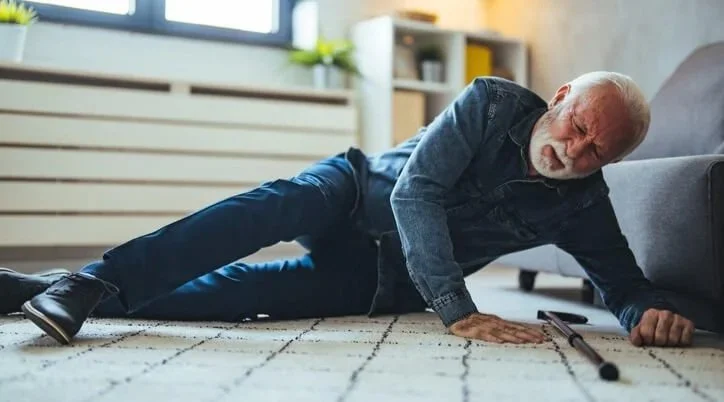
When a Fall Changes How You See Yourself
Many active older adults take pride in their independence. They drive, travel, garden, care for grandchildren, volunteer, attend social events, and manage their own homes.
A fall can suddenly challenge that identity. Someone who once felt capable may begin questioning their abilities.
"What if I fall while shopping?"
"What if nobody is around to help me get up?"
"What if this means I'm getting old?"
These thoughts are common, but they can slowly chip away at confidence and self-esteem.
The reality is that a fall does not define you. It does not automatically mean you are frail, weak, or destined to lose your independence. Falls can happen for many reasons, including uneven surfaces, poor lighting, medication side effects, vision changes, balance challenges, illness, or simply being in the wrong place at the wrong time.
One event does not determine your future.
The Fear of Falling Can Become More Limiting Than the Fall Itself
Researchers have found that fear of falling can have significant consequences, even in people who have never experienced a serious injury. When people become fearful, they often begin avoiding activities that feel risky.
They may stop walking in their neighborhood.
They decline invitations from friends.
They avoid stairs.
They stop exercising.
They spend more time sitting.
At first, these changes may seem protective. However, over time, less movement leads to weaker muscles, poorer balance, reduced endurance, and greater stiffness. Ironically, avoiding activity often increases fall risk rather than reducing it. The body follows the "use it or lose it" principle. When movement decreases, physical abilities gradually decline.
This is why rebuilding confidence is every bit as important as rebuilding strength.
The Hidden Impact of Social Isolation
Many people don't realize how often fear of falling affects social activities. Someone who worries about falling may stop attending church, meeting friends for lunch, participating in clubs, or traveling. Over time, this can lead to loneliness and isolation.
Social connection plays an important role in healthy aging. Research consistently shows that maintaining relationships and engaging in meaningful activities supports both physical and mental health. When fear causes people to withdraw from the world around them, the effects can extend far beyond mobility.
Rebuilding confidence isn't just about preventing falls. It's about helping people continue living the lives they enjoy.
Confidence Is a Skill That Can Be Rebuilt
Confidence is not something you either have or don't have and it can be rebuilt. Just as muscles become stronger through practice, confidence grows through positive experiences. The key is starting with activities that feel manageable and gradually progressing from there.
For example, someone who feels nervous walking outdoors might begin by practicing balance exercises in a safe environment. As their strength and stability improve, they may progress to short walks on level surfaces and eventually return to longer community outings.
Each successful experience sends an important message to the brain: "I can do this."
Those small victories matter.
Focus on What You Can Control
After a fall, it's easy to focus on what might happen. Instead, try shifting your attention toward actions you can take.
You can improve your strength.
You can improve your balance.
You can increase flexibility.
You can review medications with your healthcare provider.
You can improve lighting and safety within your home.
You can learn safer strategies for getting up from the floor.
You can practice movements that make daily activities easier.
These actions create a sense of control and help replace fear with confidence.
Learning How to Get Up Can Reduce Anxiety
One of the biggest fears many older adults have is not the fall itself. It's being unable to get up afterward. I've worked with many people who tell me that this fear weighs on them every day.
Learning safe floor transfer techniques can be incredibly empowering. When people know how to get down to the floor and get back up again safely, they often feel less anxious about movement in general. They realize they have options and strategies available if something unexpected happens.
This knowledge can be a powerful confidence builder.
Progress Doesn't Require Fearlessness
Many people believe they need to eliminate fear before they can move forward. The opposite is often true. Confidence grows through action.
You don't have to feel completely fearless before taking a walk, joining an exercise class, or working on balance. You simply need to take the next appropriate step. Over time, those steps add up.
The goal isn't to pretend fear doesn't exist. The goal is to develop the skills, strength, and confidence needed to keep moving despite it.
A Final Thought
If you've experienced a fall, be kind to yourself. What you're feeling is normal. Fear, frustration, embarrassment, anger, and uncertainty are common reactions. But those emotions do not have to define your future.
A fall may have shaken your confidence, but it doesn't have to take away your independence. With the right support, appropriate exercise, practical strategies, and gradual exposure to activities you enjoy, confidence can return. In many cases, people discover they are capable of far more than they initially believed.
The journey back isn't just about preventing another fall. It's about reclaiming the freedom to participate fully in life again.
Ready to Feel More Confident on Your Feet?
If a previous fall has left you feeling hesitant, fearful, or less active than you'd like to be, you're not alone. The right combination of balance training, strength exercises, and practical strategies can help you regain confidence and move with greater ease.
Schedule a free consultation at ProActive Therapy and Wellness to discuss your concerns and learn how we can help you stay active, independent, and confident in your daily life. Your next chapter doesn't have to be defined by a fall—it can be defined by what you do next.