
The Gift of Generations
How Strong Family Connections Help Us Age Better
Father's Day is a time to celebrate fathers, grandfathers, and the important role they play in our families. It is also a wonderful opportunity to reflect on the value of keeping generations connected.
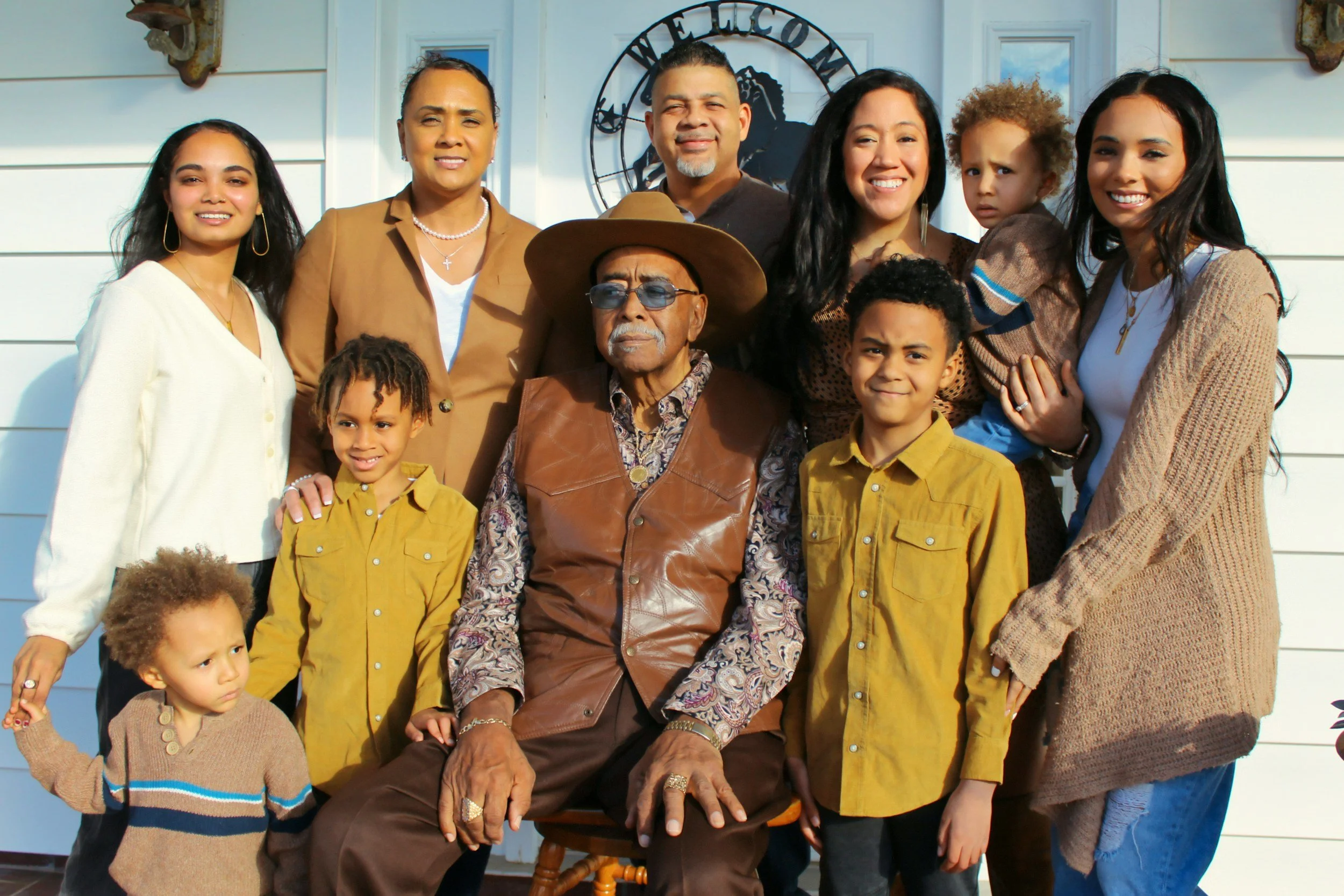
In many parts of the world, it is common for grandparents, parents, and children to live together or remain closely involved in each other's daily lives. While modern life often separates families by work, school, and distance, research continues to show that strong family connections can benefit everyone involved—from the youngest child to the oldest grandparent.
As a physical therapist who works primarily with older adults, I often hear people talk about wanting to stay healthy so they can keep up with their grandchildren, attend family gatherings, travel, and remain an active part of their loved ones' lives. Those relationships provide something powerful that goes beyond companionship—they give us purpose.
What Other Cultures Can Teach Us About Aging
Many countries known for long life expectancy, including Japan, Italy, and Greece, place a strong emphasis on family and respect for older adults. Elders are often viewed as valuable members of the family whose wisdom, experience, and guidance are appreciated rather than overlooked.
Grandparents frequently help care for children, share family traditions, and remain actively involved in daily life. They continue to have meaningful roles within the family rather than feeling pushed aside as they age.
While no culture is perfect, there is something we can learn from societies that recognize the importance of keeping generations connected. Feeling valued and needed can have a profound impact on physical and emotional well-being.
The Benefits for Children
Children gain much more than an occasional babysitter when grandparents are actively involved in their lives. Grandparents often provide patience, attention, and life experience that help children feel supported and secure. They share family stories, traditions, and lessons that create a stronger sense of identity and belonging.
Children who have close relationships with grandparents often benefit from an additional source of encouragement and emotional support. They learn that aging is a natural part of life and have the opportunity to develop meaningful relationships with people from a different generation.
Some of life's most important lessons are learned while baking cookies together, working in the garden, taking a walk, or simply sitting and talking.
The Benefits for Grandparents
The relationship is equally rewarding for older adults. Grandchildren bring energy, laughter, and a sense of excitement to everyday life. They encourage grandparents to stay engaged, curious, and involved in the world around them.
Many grandparents find that spending time with younger family members motivates them to take better care of their health. After all, when you want to attend a soccer game, take a family vacation, or get down on the floor to play, staying strong and mobile becomes even more important.
Research has consistently shown that having a sense of purpose is associated with better physical and mental health. For many older adults, being an active grandparent provides exactly that.
The Benefits for the Entire Family
Strong intergenerational relationships strengthen the entire family unit. Parents often appreciate the support, perspective, and encouragement that grandparents can provide. Grandparents offer wisdom gained through years of experience, while younger generations introduce fresh ideas, technology, and new perspectives. Everyone learns from one another.
These relationships also create a broader support network during life's challenges. Whether celebrating milestones or navigating difficult times, families often become more resilient when multiple generations remain connected.
Family Connection Is Good for Health
One of the most overlooked benefits of strong family relationships is their impact on health.
Loneliness and social isolation have been linked to increased risks of depression, cognitive decline, heart disease, and reduced quality of life. On the other hand, meaningful social connections are associated with better emotional well-being, improved cognitive health, and greater life satisfaction.
Family relationships encourage conversation, movement, laughter, learning, and emotional support—all factors that contribute to healthy aging. For older adults, staying connected to family can provide motivation to remain active and independent. For children, it creates a sense of security and belonging. For parents, it offers additional support and strengthens family bonds.
Staying Connected Matters
Not every family can live under the same roof, and not every grandparent lives nearby. Fortunately, meaningful connections don't require sharing an address. A phone call, video chat, family dinner, holiday tradition, or afternoon spent together can strengthen relationships across generations. The goal is not perfection but connection.
As we celebrate Father's Day, it is worth remembering that one of the greatest gifts we can give our families is our presence. The stories we share, the memories we create, and the time we spend together can have a lasting impact on every generation.
Strong families help us thrive. They give us purpose, support, and a sense of belonging throughout every stage of life. And those connections may be one of the most important ingredients for aging well.
Want to stay active, strong, and independent so you can continue making memories with the people you love?
At ProActive Therapy and Wellness, we help adults improve balance, mobility, strength, and confidence so they can fully participate in family life. Schedule a free consultation call today and discover how small steps now can help you stay engaged for years to come.