
Why REMS Scans and Strength Training Matter for Osteoporosis Prevention
At some point, most of us hear the words “bone density” and immediately think of osteoporosis—and for many people, that thought brings fear. Fear of fractures. Fear of falling. And sometimes, without even realizing it, fear that leads to doing less.
But here’s the truth I want you to hold onto:
a diagnosis of osteoporosis is not a reason to stop moving… it’s a reason to start moving smarter.
And this is where knowledge really does become power.
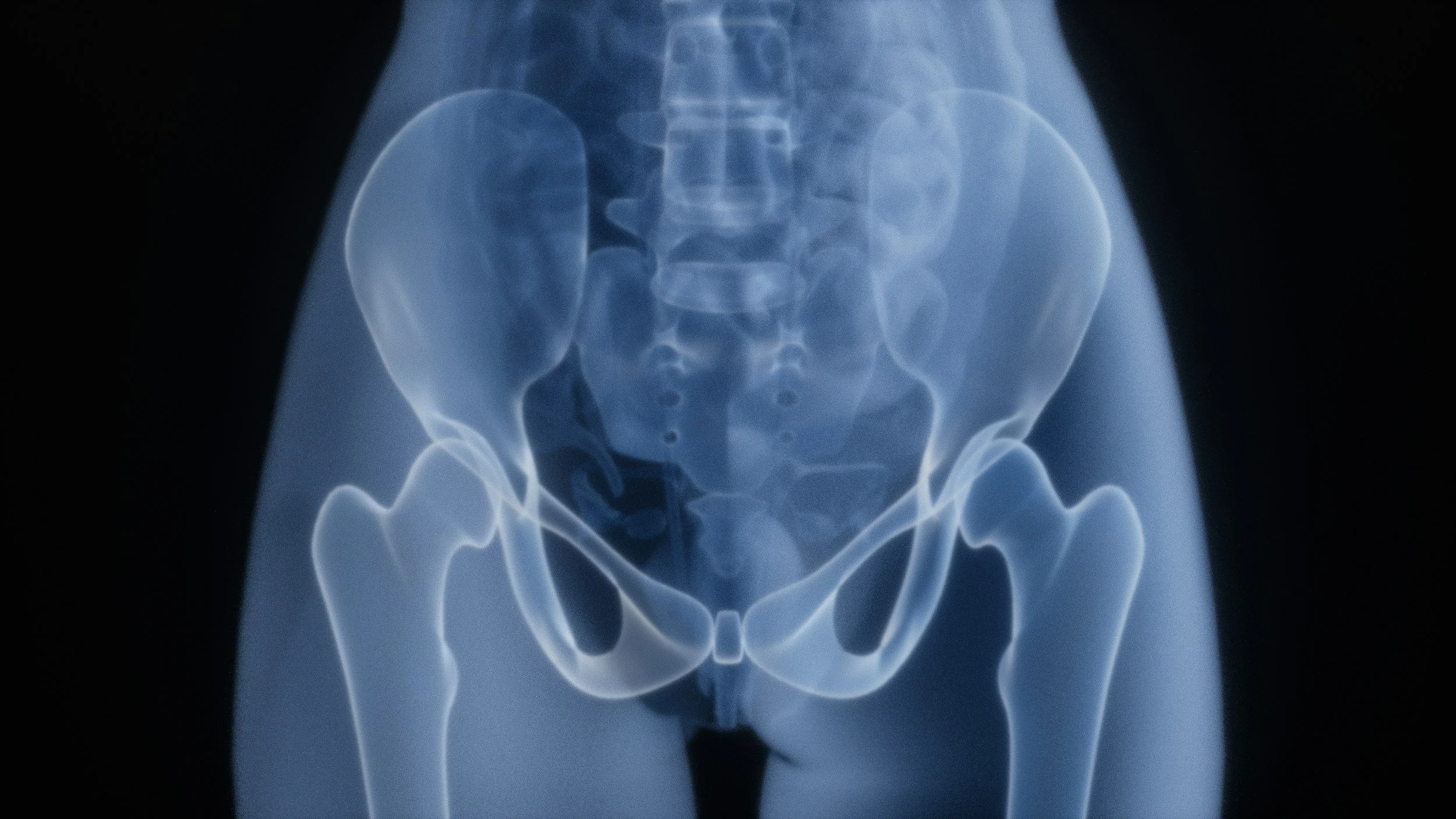
Understanding Your Bones: Why Testing Matters
As we get older, bone loss can happen quietly. There’s often no pain, no warning signs—until something like a fracture occurs. That’s why testing is so important.
Many people are familiar with the traditional DEXA scan, but there’s a newer option gaining attention called a REMS scan (Radiofrequency Echographic Multi Spectrometry). What makes it especially appealing is that it uses ultrasound technology rather than radiation, making it a comfortable and repeatable way to monitor bone health over time.
But more important than how we measure bone density is what we do with that information. Because a number on a report should never define what you can or can’t do.
A Diagnosis Is Not a Stop Sign
One of the biggest misconceptions I see—especially in people over 60—is this idea that once you’re told you have osteoporosis, you should be careful… or worse, avoid certain movements altogether.
While safety matters, avoiding movement is actually one of the worst things you can do for your bones.
The National Institutes of Health and Centers for Disease Control and Prevention both emphasize that weight-bearing and resistance exercise are essential for maintaining and improving bone health as we age. If you’re looking for ideas on what those might look like, check out the Video Library.
Bones respond to stress. When you use your muscles, your bones get the message: “We need to stay strong.” When you stop using them, the opposite happens.
The Muscle–Bone Connection
Your muscle strength and your bone strength are closely connected.
Stronger muscles pull on bones, which stimulates bone growth and helps maintain density. It’s a natural, built-in system.
That means when we focus on:
Functional movements (like getting up from a chair or the floor)
We’re not just building muscle—we’re actively supporting our bones.
This is especially important for those of you who want to stay independent, keep traveling, gardening, hiking, or simply moving through your day with confidence.
Why REMS Can Be a Helpful Tool
A REMS scan can give you valuable insight into where you stand right now, without exposing you to radiation. It can also be repeated more easily over time, which means you can actually track changes as you work on your strength and overall health.
If you’re someone who has been putting off testing, or you’ve had a DEXA scan but want another perspective, this can be a great option to explore.
If you’d like a deeper dive into how REMS compares to traditional scans, you can find a clear, easy-to-understand explanation here:
👉 https://betterbones.life/rems-advantage
Local Access to REMS Scans
If you’re here locally and interested in getting tested, there are a few simple ways to take the next step.
To book a REMS scan or a BioDensity Intro Session, you can visit: 👉 www.betterbones.life or call 336-235-3448
They’re also offering a special discount to people in my circle. Just use the code PTAW to receive $50 off your REMS scan.
If you enjoy learning in a group setting, you might also consider attending Ashley Strand’s live presentation: “Strength = Bone Health”
To reserve a spot, email: ashley@betterbones.life.
And if you’d like to hear the full conversation where we talk through all of this in more detail, I highly recommend watching my full interview with Ashley Strand on YouTube.
Turning Knowledge Into Action
Getting a scan is just the first step. What really matters is what you do next.
This is where I see so many people get stuck—they gather information, but they’re not sure how to turn it into a plan.
That’s exactly why I created the Circuit Training class at ProActive Therapy and Wellness.
It’s simple, effective, and designed specifically for adults who want to:
Build strength safely
Improve balance
Support bone health
Stay independent and confident
You don’t have to figure it out on your own. You just have to start.
Final Thoughts
Your bones are living tissue. They respond to what you do every single day.
A diagnosis doesn’t define you—but your actions moving forward can absolutely change your outcome.
So if you’ve been putting off testing, consider taking that first step. If you’ve already been diagnosed, don’t let that stop you—let it guide you. Because when you understand your body, you’re in a much better position to take care of it. And that’s where real confidence comes from.
If you’re ready to take the next step—whether that’s scheduling a REMS scan, learning more through the presentation, or starting a strength program—everything you need is right in front of you.
And if you need help figuring out where to begin, I’m always here to guide you.