
Parkinson's disease is much more than a tremor. During Parkinson's Awareness Month, we shine a light on both the visible and invisible symptoms, and on the very real people and families doing their best to keep moving, stay independent, and live well with the condition.
At ProActive Therapy and Wellness here in Summerfield, I work with many people living with Parkinson's. What I hear over and over is this: "People see my shaking hand, but they don't see how exhausted, stiff, or foggy I feel on the inside."
Parkinson's Awareness Month is about changing that.
In this article, I want to help you better understand what Parkinson's is, what life with Parkinson's can look like, and how you can show up more confidently for the people in your life who may be living with it.
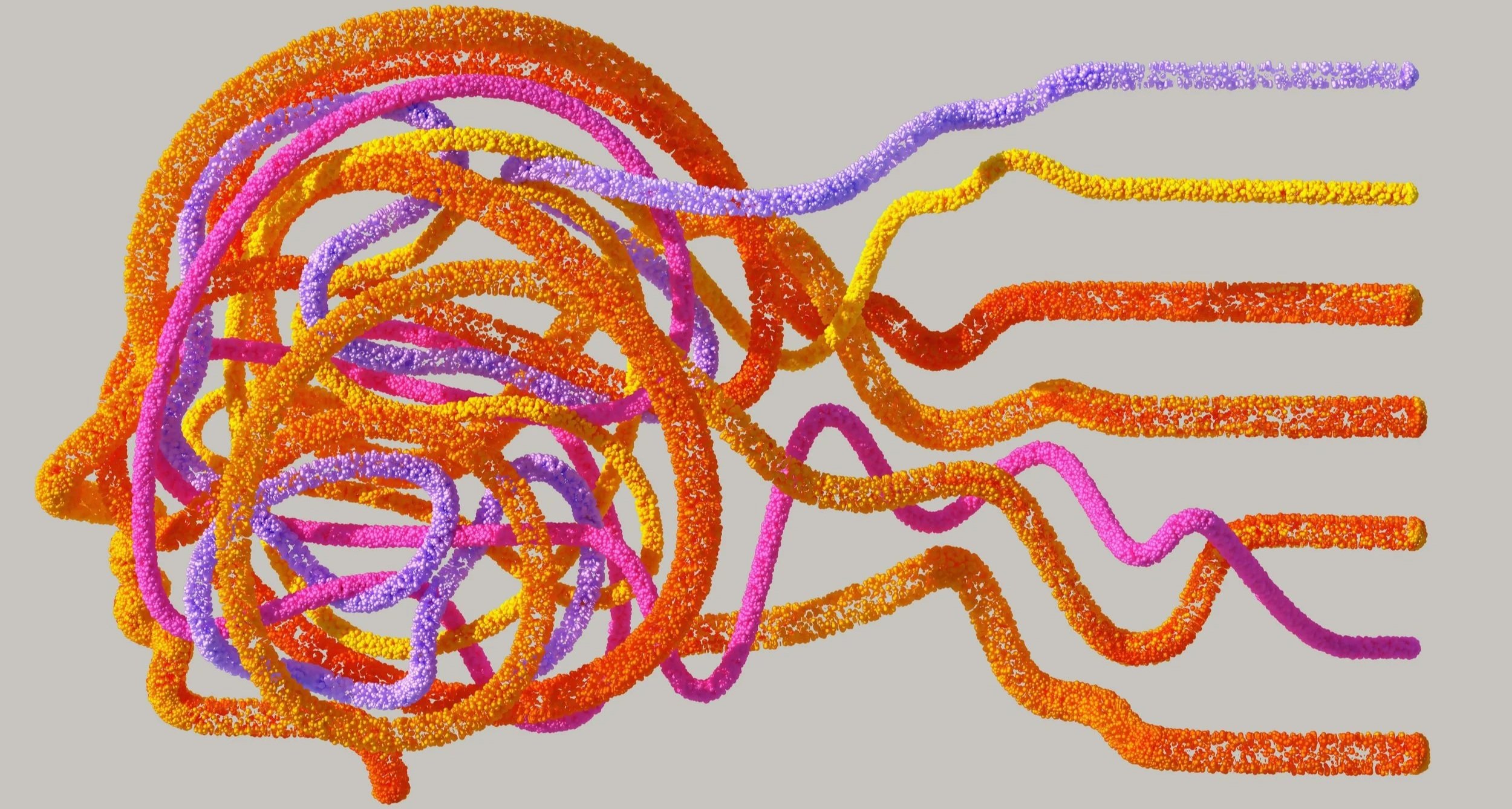
What is Parkinson's disease?
Parkinson's disease (PD) is a progressive brain condition that affects how the body controls movement. It happens when certain nerve cells in a part of the brain called the substantia nigra stop working properly and stop producing enough dopamine.
Dopamine is a chemical messenger that helps coordinate smooth, controlled movement. When dopamine levels drop, movements can become slower, stiffer, or shakier.
According to the Parkinson's Foundation, nearly 1 million people in the United States are living with Parkinson's, and that number is expected to rise as our population ages. Many people are diagnosed in their 60s or 70s, but it can appear earlier.
Why Parkinson's Awareness Month matters
Parkinson's Awareness Month is recognized each April as a time to increase understanding, support research, and highlight the daily realities of people living with PD. Most people have heard of Parkinson's but don't really know what it looks like beyond a tremor or a shuffle. That gap in understanding can make people with Parkinson's feel isolated or misunderstood.
Awareness matters because:
It encourages earlier conversations with healthcare providers when symptoms first show up.
It helps friends, coworkers, and family respond with empathy instead of judgment.
It reminds all of us that people with Parkinson's are more than their diagnosis - they are parents, grandparents, neighbors, volunteers, and community members.
The Motor Symptoms You Can See
Motor symptoms are the movement-related changes most people associate with Parkinson's. They are often the first things others notice.
💠Tremor
This is the classic Parkinson's symptom people picture: a shaking or trembling, often in one hand, especially when the person is at rest.
Not everyone with Parkinson's has a tremor, and the severity can vary throughout the day. Some people have a very visible tremor. Others have one that is so mild you would never notice it.
💠Slowness of movement (bradykinesia)
Bradykinesia is a fancy word for moving more slowly than before. It might show up as taking longer to button a shirt, start walking after standing up, or get out of a car.
From the outside, this can look like "laziness" or being unmotivated. In reality, the brain is just not sending movement signals as smoothly and quickly as it used to.
💠Stiffness and rigidity
Stiffness in the arms, legs, neck, or back is very common. Imagine your joints and muscles always feeling like they do first thing in the morning, before you have warmed up.
This stiffness can make everyday activities, like turning in bed or looking over your shoulder while driving, much harder.
💠Balance and walking changes
Over time, Parkinson's can affect balance and posture. You might notice someone:
Leaning slightly forward when they walk
Taking shorter, shuffling steps
Having trouble starting or stopping walking
Feeling unsteady when turning or changing direction
These changes can increase fall risk, which is one reason I focus so much on balance and strength training with my Parkinson's clients.
The Non-Motor Symptoms You Often Can't See
Non-motor symptoms are the "invisible" side of Parkinson's. They can be just as challenging - sometimes more so - than the movement changes.
These symptoms can start years before any tremor shows up, and they are a big part of why Parkinson's is truly a whole-body, whole-person condition.
💠Mood, motivation, and thinking
Parkinson's can affect mood and thinking because it involves brain chemicals related to more than just movement.
Common non-motor changes include:
Depression or feeling very down
Anxiety or excessive worry
Apathy, or feeling like you just don't care about things you used to enjoy
Slower thinking or difficulty multitasking
Changes in speech, like a softer voice or trouble finding words
From the outside, this can look like someone "giving up" or "not trying." From the inside, it often feels like swimming through mud.
💠Sleep and energy
Many people with Parkinson's struggle with sleep. They may have trouble falling asleep, staying asleep, or acting out dreams (known as REM sleep behavior disorder).
Poor sleep, on top of the brain changes of Parkinson's itself, can lead to overwhelming fatigue during the day. That "I hit a wall" feeling is very real.
💠Body systems you might not think about
Parkinson's can also affect automatic body functions, such as:
Constipation and digestive issues
Lightheadedness when standing up
Changes in blood pressure
Sweating changes
Urinary urgency or frequency
These symptoms are not glamorous to talk about, but they are an important part of understanding what your loved one might be dealing with.
No two people experience Parkinson's the same way
If you remember one thing from this article, let it be this: Parkinson's looks different in every person.
One person might have a noticeable tremor but minimal stiffness. Another might have no tremor at all but very slow movement and significant balance issues. Some people have mostly movement symptoms for years. Others experience strong non-motor symptoms early on.
Symptoms can also change from day to day or even hour to hour. Medications may work beautifully at one time of day and wear off at another, creating "on" and "off" times where movement feels very different.
This is why comparing two people with Parkinson's can be misleading. It is also why treatment plans, exercise programs, and everyday support need to be individualized.
How you can support someone living with Parkinson's
If you have a friend, partner, or parent with Parkinson's, your understanding can make a huge difference.
Here are some simple, powerful ways to support them:
Believe them when they say they are tired, stiff, foggy, or "off," even if they look the same to you.
Be patient with time. Build in extra time for getting ready, walking to the car, or going through a grocery store.
Ask, don't assume. Try, "Would you like help with that?" instead of automatically jumping in, or assuming they can't do something.
Stay active together. Walks, gentle exercise, or balance classes can be more fun - and more likely to happen - with a partner.
Learn with them. Read about Parkinson's, go to appointments when invited, and ask their healthcare team how you can help.
For reliable information and education, the Parkinson's Foundation offers excellent tools at www.parkinson.org for free resources.
How physical therapy and exercise can help
While there is currently no cure for Parkinson's, there is a lot that can be done to help maintain mobility, reduce fall risk, and support independence.
In my work at ProActive Therapy and Wellness, we use targeted exercise and movement training to help people with Parkinson's:
Improve balance and reduce falls
Maintain or improve walking speed and step length
Work on posture and flexibility
Practice getting in and out of chairs, cars, and bed more safely
Build confidence in moving around at home and in the community
We offer 1:1 sessions, Parkinson's-specific group classes, and online exercise options so people can choose the format that fits their energy level, schedule, and comfort.
If they or someone they know has PD and needs help, book a free consultation so we can talk through what is going on and see whether our approach is a good fit.
You can schedule online or call 336-403-9582 to get started.
If Parkinson's has touched your life
Maybe you just received a diagnosis. Maybe your spouse is starting to have more trouble with walking or balance. Maybe you simply have a friend whose hand shakes a little at coffee.
Wherever you are, you do not have to know everything about Parkinson's to be helpful. Being willing to learn, listen, and show up is enough. Parkinson's Awareness Month is a reminder to look twice, ask gentle questions, and remember that the person in front of you is more than their symptoms.
At any age, movement, connection, and the right kind of support can help people living with Parkinson's stay more active and independent. If they or someone they know has PD and needs help, book a free consultation and we can explore options together, in person here in Summerfield or through our online programs.
Information in this article is for educational purposes only and is not a substitute for professional medical advice, diagnosis, or treatment. Please speak with your healthcare provider about your specific situation.