
The Benefits of Tai Chi and Qi Gong for Healthy Aging
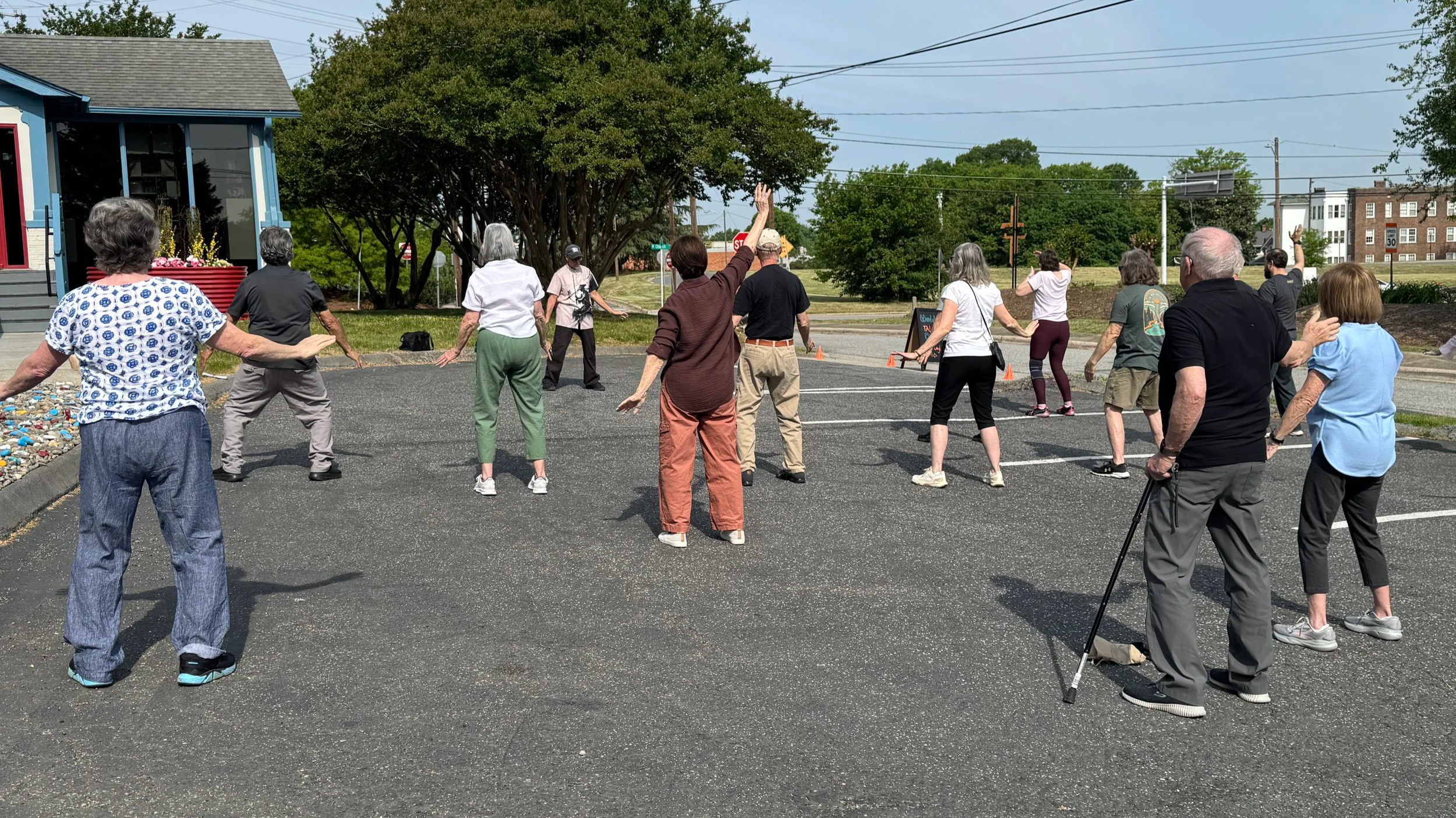
Every year, on the last Saturday of April, people all over the world gather in parks, studios, and community centers to celebrate World Tai Chi & Qi Gong Day. It’s a beautiful idea—starting in one time zone and rolling across the globe, people move together in a quiet, intentional way, all focused on health, balance, and connection. And while it may look slow and simple from the outside, there’s a lot happening beneath the surface.
If you’ve ever wondered whether something this gentle can really make a difference, the answer is a clear yes—especially as we get older.
Why This Practice Matters More As We Age
Tai Chi and Qi Gong are often described as “meditation in motion,” but that phrase doesn’t quite do them justice. These practices train your body and brain at the same time, which is exactly what we need to stay independent and confident in our movement.
From a physical standpoint, research supported by organizations like the Centers for Disease Control and Prevention shows that Tai Chi can significantly reduce fall risk in older adults. That’s a big deal. Falls are one of the leading causes of injury as we age, and anything that improves balance, coordination, and reaction time is worth paying attention to.
But the benefits go beyond just preventing falls.
Tai Chi and Qi Gong help improve:
Strength, especially in the legs and core
Flexibility and joint mobility
Postural awareness
Walking efficiency and coordination
And then there’s the mental side of things.
Studies referenced by the National Institutes of Health highlight improvements in mood, reduced anxiety, and even better cognitive function with regular practice. That combination—physical and mental—is what makes this so powerful.
The Core Principles That Make It Work
One of the reasons Tai Chi feels so different from traditional exercise is that it’s built on several key principles. Once you understand them, the movements start to make a lot more sense. I like to sum them up into these categories:
Posture: The Foundation of Everything
In Tai Chi, posture isn’t about standing stiff and rigid. It’s about being upright but relaxed. Think of your head gently lifting toward the ceiling, your shoulders soft, and your knees slightly bent.
This kind of alignment allows your body to move efficiently. It also reduces unnecessary strain on your joints—something many people struggle with when they’re dealing with arthritis or chronic pain.
Weight Transference: The Secret to Better Balance
If I had to pick one skill that carries over most into daily life, this would be it.
Tai Chi teaches you how to smoothly shift your weight from one leg to the other. That may sound simple, but it’s something many people lose over time without realizing it. This often results in quick steps and poor balance.
Walking, climbing stairs, turning, and even reaching for something all require controlled weight transfer. Practicing this slowly and intentionally helps retrain your balance system so your movements become more stable and confident.
Moving Against Internal Resistance
This is one of the more subtle ideas, but it’s incredibly important.
Instead of moving loosely or quickly, Tai Chi encourages you to imagine you’re moving through water or gently pressing against resistance. That slight tension activates your muscles in a more controlled way.
The result? You build strength without strain.
This is especially helpful for those who may not tolerate traditional strengthening exercises well but still need to maintain muscle function.
Leading with the Dan Tian (Your Center of Mass)
The “dan tian” is often described as the body’s center—located in the lower abdomen, just below the navel.
In Tai Chi, movement is initiated from this center rather than from the arms or legs alone. When you lead with your center of mass, your movements become more coordinated and efficient.
From a physical therapy perspective, this is huge.
It encourages:
Better core engagement
Improved coordination
More natural, fluid movement patterns
And ultimately, that translates into safer, more controlled movement in everyday life.
Understanding Yin and Yang
At the heart of Tai Chi is the concept of yin and yang—the idea that opposite forces are interconnected and need each other to create balance.
In movement, this shows up as:
Effort and relaxation
Stability and mobility
Stillness and motion
You can’t have one without the other.
As we age, we often drift too far in one direction. We either become overly stiff and cautious, or we lose control and stability. Tai Chi gently brings those two sides back into balance.
It teaches you when to engage and when to let go.
More Than Exercise—It’s a Practice
What I love most about Tai Chi and Qi Gong is that they meet you exactly where you are.
You don’t have to be strong, flexible, or experienced to start. And you don’t have to push through pain or exhaustion to see benefits. It’s consistent, intentional movement that builds over time.
And maybe just as important—it’s enjoyable. There’s something calming about moving slowly, focusing on your breath, and being fully present in what your body is doing.
A Simple Way to Celebrate
World Tai Chi & Qi Gong Day isn’t about doing it perfectly. It’s about participating.
That might mean:
Trying a short sequence at home
Joining a local class
Spending a few minutes moving slowly and intentionally
It all counts.
Because at the end of the day, this isn’t just about exercise—it’s about maintaining your independence, your confidence, and your connection to your body.
If you’ve been curious about Tai Chi or Qi Gong, this is a great time to start. And if you’ve tried it before, maybe this is your reminder to come back to it.
While there are plenty of online options out there, there’s something special about learning this in person. A live class gives you guidance on posture, feedback on your movement, and that sense of connection that makes it easier to stay consistent.
If you’re local to the Summerfield or Greensboro area here in North Carolina, I teach classes at the YMCA and offer occasional courses at my studio as well. My approach is based on Sun-style Tai Chi, which tends to be gentle on the joints and very approachable, especially if you’re just getting started.
You may also come across instructors teaching the more traditional Yang style in the area. While the styles look a little different, they share the same core principles and provide many of the same benefits—improving strength, balance, flexibility, and that sense of calm we all need a little more of.
Every instructor brings their own personality and teaching style to the practice, so it’s worth exploring a few different options. The right class is the one that feels comfortable, engaging, and keeps you coming back.
However you choose to start, your body, and your balance, will thank you for it.