
So Why Are You Still Afraid to Move?
One of the most common conversations I have with people after a hip replacement goes something like this:
"I'm still afraid to bend that way."
"I don't think I'm supposed to cross my legs."
"I've just avoided that movement ever since surgery."
Sometimes that conversation happens three months after surgery. Sometimes it's three years later. The problem isn't that the hip hasn't healed—it's that many people continue living as though their hip precautions are permanent.
Hip precautions are extremely important immediately after surgery because they protect the healing tissues around your new joint. But for most people, those precautions are temporary. Once your orthopedic surgeon clears you to resume normal movement, continuing to avoid using your hip can actually slow your recovery.
Your new hip was designed to help you move. Once it's safe to do so, the next step isn't protecting it—it's teaching it to work.
Why So Many People Stay Stiff
Before surgery, movement hurt. Every step reminded you that something was wrong. Your body naturally learned to avoid certain positions, shorten your stride, and rely on the opposite leg. Then surgery happened.
The painful joint was replaced, but your brain didn't automatically erase years of protective movement patterns. Instead, many people continue guarding the hip because they're afraid they'll damage the new joint.
That fear is understandable. But avoiding movement long after healing often creates a different problem: weakness.
Your Gluteal Muscles Are the Engine of Movement
When people think about recovering from hip replacement, they often think about the joint itself. In reality, the muscles surrounding the hip are what determine how well you move. Among the most important are the gluteal muscles.
The gluteus maximus provides the power needed to stand up, climb stairs, walk uphill, and rise from the floor.
The gluteus medius acts like your body's stabilizer. Every time you stand on one leg during walking, it keeps your pelvis level and prevents you from leaning side to side.
When these muscles are weak, your body finds another way.
You may notice yourself:
Leaning over the operated leg while walking.
Taking shorter steps.
Using your arms to stand from a chair.
Feeling unsteady on stairs.
Becoming tired after walking short distances.
Developing low back or knee discomfort.
These aren't signs that the hip replacement failed. They're usually signs that the muscles need to be retrained.
Why Strength Matters More as You Become More Active
Basic walking around the house doesn't require tremendous strength. But life involves much more than that. Think about everything your hips do throughout the day:
Walking across uneven ground.
Carrying groceries.
Playing with grandchildren.
Getting into a low car.
Getting your socks and shoes on.
Gardening.
Traveling.
Hiking.
Standing from the floor.
Every one of these activities demands strong gluteal muscles. As your activity level increases, so does the need for stability and power. That's why strengthening becomes even more important once you've regained basic mobility.
Strength Is Also About Balance
Many people don't realize that hip strength plays a major role in preventing falls. Every step you take briefly places your entire body weight on one leg. Your gluteus medius has to keep your pelvis level while your other leg swings forward.
If it isn't strong enough, your trunk begins leaning from side to side. That may not seem like a big deal, but it makes walking less efficient, increases energy expenditure, and can reduce balance. Restoring hip strength often improves confidence just as much as it improves muscle performance.
The Exercises That Build Strong, Functional Hips
Once you've regained comfortable hip mobility and your surgeon has cleared you to progress, it's time to challenge the muscles that support more complex movements.
Backward Walking
Walking backward is an excellent way to strengthen the gluteal muscles while improving balance, coordination, and hip extension. Because the movement is slower and more deliberate than forward walking, it encourages better control and helps activate muscles that may have become weak after surgery.
Always perform backward walking in a safe environment, such as alongside a countertop or hallway where you have something sturdy to hold if needed.
Step-Ups and Step-Downs
Climbing stairs is one of the most demanding daily activities for the hips.
Practicing step-ups builds strength in the gluteus maximus, quadriceps, and the muscles that stabilize the pelvis. Equally important are step-downs, which train the muscles to control your body as you lower yourself. This eccentric strength is essential for safely descending stairs, stepping off curbs, and walking downhill.
Begin with a low step and focus on slow, controlled movements rather than speed.
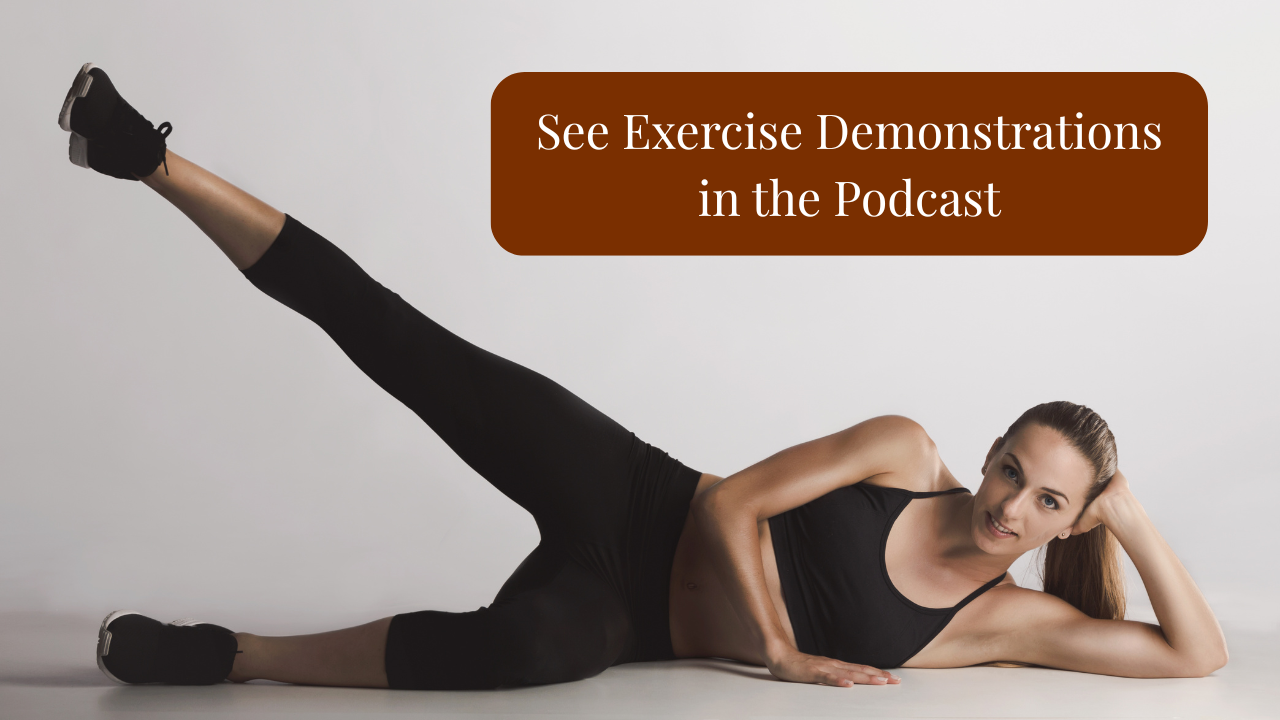
Side-Lying Hip Abduction
This exercise specifically targets the gluteus medius, one of the most important muscles for walking and balance.
Lie on your side with your hips stacked and your top leg straight. Slowly lift the top leg without allowing your body to roll backward or your toes to point toward the ceiling.
Many people try to lift the leg as high as possible, but a smaller movement with excellent control is much more effective than a large movement performed with poor form.
Clamshells
Clamshells strengthen the deep hip muscles and the gluteus medius, both of which help stabilize the pelvis during walking and single-leg activities.
Lying on your side with your knees bent, keep your feet together while lifting the top knee. Avoid rolling your pelvis backward to make the movement easier.
This seemingly simple exercise often reveals just how much strength has been lost after years of compensating for hip pain. As your strength improves, resistance bands can be added to continue challenging the muscles.
Don't Rush the Process
Many people think recovery is about returning to where they were before surgery. I encourage my patients to aim even higher. Before surgery, many had already lost years of strength because arthritis gradually limited their activity.
Your goal shouldn't simply be to return to the strength you had right before surgery. It should be to build stronger hips than you've had in years.
That takes patience.
Muscles don't become stronger overnight. They respond to consistent, progressive exercise performed several times each week.
Small improvements add up.
Confidence Grows With Every Successful Movement
One of my favorite moments as a physical therapist is watching someone accomplish something they thought they'd never do again.
The first time they climb stairs without holding the railing.
The first time they get up from the floor.
The first time they kneel in the garden.
The first time they put on their own socks and shoes.
These milestones don't happen because the artificial joint suddenly became stronger. They happen because the muscles became stronger. And with strength comes confidence.
Your New Hip Was Built for Living
A hip replacement isn't meant to keep you from doing the things you love. It's meant to help you return to them.
Once your surgeon tells you the joint has healed and your precautions have been lifted, don't let fear become the only thing holding you back. Continue restoring your flexibility. Build your gluteal strength. Practice normal movement. Challenge your balance.
Little by little, you'll discover that your new hip isn't fragile. It's your opportunity to move better than you have in years.
Want to See These Exercises Performed?
Reading about an exercise is helpful, but seeing proper technique can make all the difference. If you'd like a demonstration of the exercises discussed in this article, along with some additional ones, be sure to check out my accompanying podcast on YouTube. I walk you through each exercise, explain why it's important after a hip replacement, and share tips to help you perform them safely and effectively.
Whether you're recovering from a recent surgery or still trying to regain strength months or years later, I hope it gives you the confidence to keep moving forward.
Ready to take your recovery to the next level?
At ProActive Therapy and Wellness, we help people move beyond simply healing after a hip replacement. Our individualized treatment programs focus on rebuilding strength, improving balance, restoring confidence, and helping you return to the activities that make life enjoyable. Whether you're a few weeks out from surgery or still feeling limited months or even years later, we'd love to help. Schedule your free consultation today, and let's create a plan to get you moving with confidence again.