
Why Dynamic Balance Training Matters As You Age
When I ask new clients what they’re doing to work on their balance, one answer comes up over and over again: “I stand on one leg.”
And there’s nothing wrong with that. Standing on one leg can be a useful balance exercise. It challenges your ability to control your body over a smaller base of support and can help identify areas that need work.
But I don’t think it’s enough.
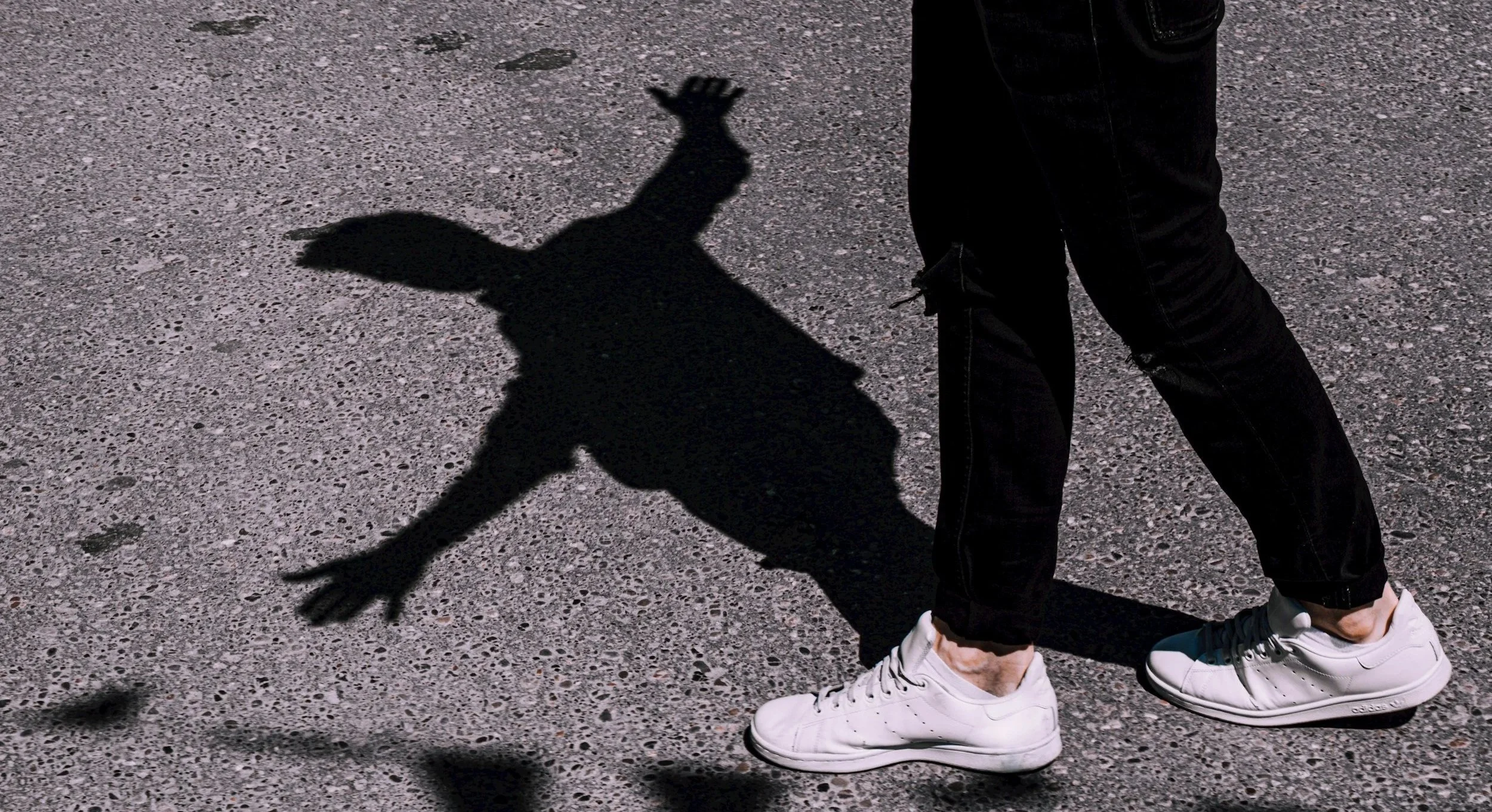
Most of the time when we lose our balance, we aren’t standing perfectly still. We’re walking across uneven ground, stepping off a curb, reaching into a cabinet, turning around, climbing stairs, or catching our toe on something.
In other words, we’re moving.
That’s why I spend so much time working on dynamic balance.
What Is Dynamic Balance?
Dynamic balance is your ability to stay in control while your body is moving—or to regain control when something throws you off.
Think about all the movements you make throughout the day. Getting dressed, walking through the house, gardening, carrying groceries, navigating stairs and stepping around obstacles all require your center of gravity to move while your body adjusts.
Standing on one leg asks, “Can you stay here?”
Dynamic balance asks, “Can you move from here to there and stay in control along the way?”
That’s much closer to what we need in everyday life.
Start With Weight Shifting
One of the simplest dynamic balance activities I demonstrate in the podcast that accompanies this blog is weight shifting.
You can shift from side to side, forward and backward, or diagonally. Add reaching in different directions and suddenly your balance system has to work even harder.
It may seem simple, but we shift our weight constantly. Every step requires us to transfer our weight from one leg to the other. Reaching into a cabinet changes our center of gravity. Leaning over to pick something up requires us to move without losing control.
Learning to move your weight comfortably and confidently is an important foundation for good balance.
Practice Stepping in Every Direction
Life doesn’t always move straight ahead, so balance training shouldn’t either.
I like to practice stepping forward, backward and sideways because we use all of those movements during the day. You may step sideways around a chair, backward when opening a door, or quickly move your foot to one side when someone crosses your path.
That ability to take a quick, effective step becomes especially important when you start to lose your balance. Sometimes recovering from a stumble comes down to whether you can move your foot quickly enough to get it underneath you.
Add Obstacles, Steps and Real-Life Challenges
The world around us isn’t perfectly flat and empty. There are curbs, stairs, door thresholds, uneven sidewalks, garden hoses, pets and plenty of other things that can get in our way.
That’s why I also like incorporating stepping over obstacles and stepping up and down from a step.
These activities require much more than balance alone. Your brain has to judge where the obstacle is, your body has to shift onto one leg, your foot has to clear the object, and you need enough strength and control to land safely on the other side.
The same is true when managing a curb or staircase.
Strength and balance really work together here, which is one reason organizations such as the National Institute on Aging and the CDC recommend both strengthening and balance activities as important parts of staying active and reducing fall risk as we get older.
Don’t Forget Reaction Time
There’s another part of balance that can easily be overlooked: how quickly you respond.
If you trip, you usually don’t have several seconds to think about what to do next. Your body needs to react.
That’s why I include agility drills in balance training. These may involve changing direction, moving the feet quickly, responding to a cue or stepping toward an unexpected target.
We’re not trying to turn anyone into a competitive athlete. We’re simply practicing the ability to recognize a challenge and respond to it quickly.
As we get older, it’s important not only to practice moving carefully, but also to preserve our ability to move quickly when we need to.
Train for the Life You Want to Live
If standing on one leg is part of your balance routine, you don’t necessarily need to stop doing it.
Just don’t let it be the only thing you do.
Ask yourself what you want your balance to help you accomplish. Maybe you want to walk comfortably on uneven ground, travel, hike, garden, manage stairs, play with grandchildren or simply move around your home with greater confidence.
Your exercises should help prepare you for those activities.
In the podcast that accompanies this blog, I demonstrate several ways to challenge dynamic balance, including weight shifting and reaching, stepping forward, backward and sideways, stepping over obstacles, going up and down a step, and agility exercises for reaction time.
If you’d like even more opportunities to practice at home, my online video library includes balance, strength, flexibility and movement exercises designed to help you continue building the skills you need to stay active and independent.
Because ultimately, we’re not practicing balance so we can become really good at balance exercises.
We’re practicing balance so we can become better at life.
This information is for educational purposes only and is not a substitute for personalized medical advice, diagnosis, or treatment. If you have significant balance problems, dizziness, recent falls, or other health concerns, talk with an appropriate healthcare professional before beginning a new exercise program.