
Recovery Tips for Older Adults
If you were in our SilverSneakers class this past week, you might remember all those lunges. My quads certainly did!
The fronts of my thighs felt tight and sore afterward. And yes, being the person teaching the class doesn’t mean I get to skip that part.
So I took my own advice. I kept moving, did some gentle stretching, and used light massage over the sore areas. I gave my legs a break from harder exercise while still moving comfortably throughout the day.
It’s something worth talking about, because soreness can leave people wondering: Did I do too much? Should I rest? Should I keep exercising?
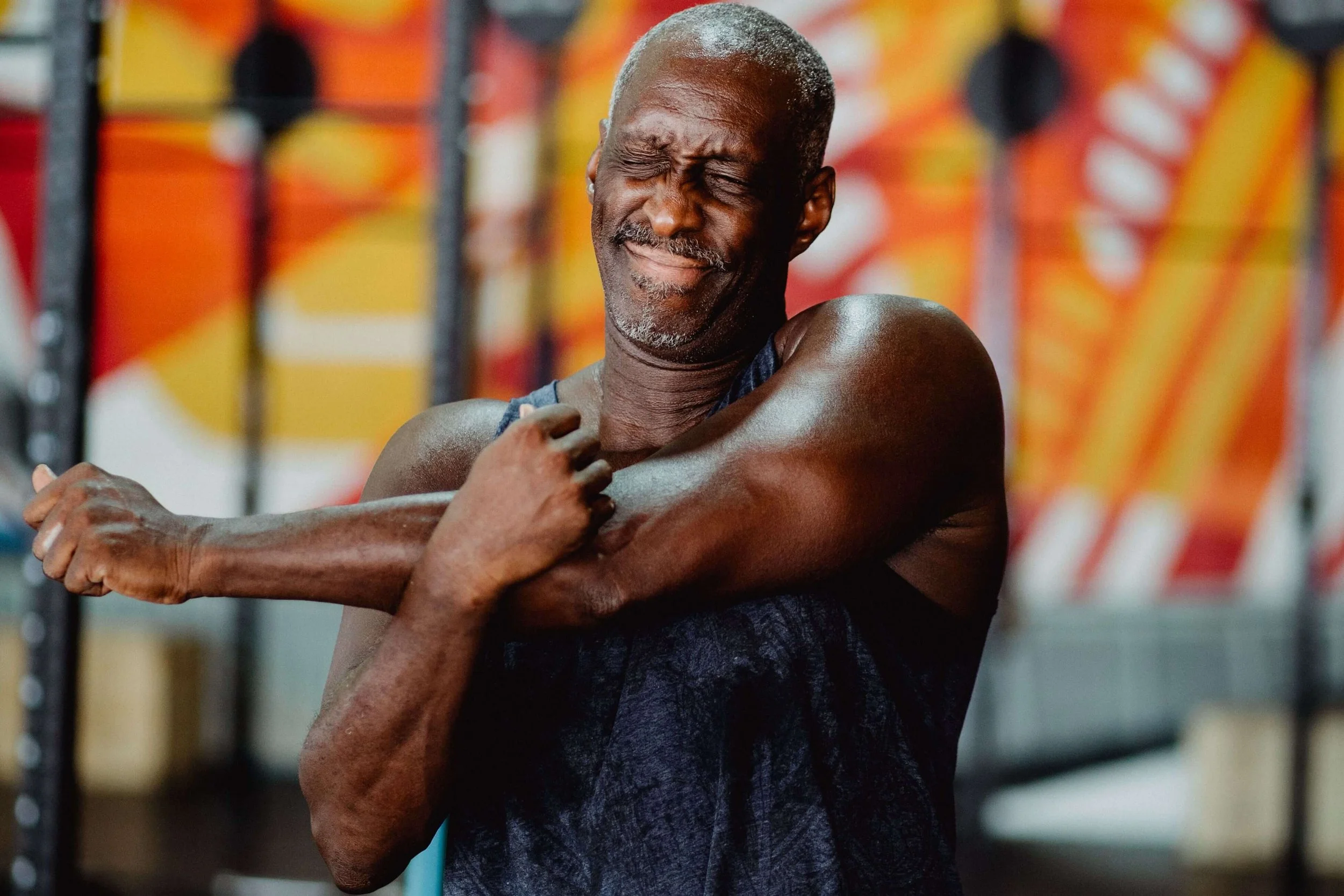
“But I already exercise!”
You know how I’m always encouraging you to move? Even when “you do you,” you can still develop some soreness after a particularly focused workout.
Maybe we do more lunges than usual, use a stronger resistance band, or spend extra time on muscles that don’t normally get quite that much attention. Your body notices the change.
That next-day ache is often called delayed-onset muscle soreness, or DOMS. It tends to show up in the day or two after exercise and then gradually ease over several days.
Some soreness doesn’t automatically mean you’ve hurt yourself or that exercise is bad for you. But you don’t need to be sore to get stronger, either. Being able to barely walk afterward isn’t a badge of honor!
Sore is one thing. Unable to move normally is another.
An acceptable level of soreness might feel like a mild ache or tenderness in the muscles you worked. You notice it, but you can still walk safely, get out of your chair, and go about your day.
If you’re so sore that you can’t move normally, that’s too much.
For older adults especially, soreness that changes your walking or makes stairs difficult can also affect your balance and safety. That’s a reason to adjust the amount of exercise next time, whether that means fewer repetitions, less resistance, or a smaller movement.
Sharp pain, sudden pain during an exercise, pain in a joint, significant swelling or bruising, or symptoms that keep getting worse need attention. Don’t assume they’re ordinary workout soreness.
Get prompt medical care if you can’t bear weight or move a limb. Severe muscle pain along with dark urine needs urgent evaluation. If soreness isn’t improving over several days, check with your healthcare provider.
Keep moving—but keep it gentle
When my quads were sore, sitting still for long stretches wasn’t how I wanted to spend my recovery time. I kept moving comfortably, just as I’d encouraged the class to do.
An easy walk around the house, gentle movement, or getting up regularly can help you feel less stiff. You don’t need another full workout. A few comfortable minutes at a time is fine.
Stretching can feel helpful, too. Ease into it until you feel a gentle pull, breathe, and avoid bouncing or forcing the movement. More pressure doesn’t mean more benefit.
And here’s a useful distinction: stretching may help you feel less tight, but research doesn’t show that it reliably prevents post-workout soreness. So getting sore doesn’t mean you forgot to stretch enough.
Gentle massage may offer temporary relief. Keep it comfortable; you don’t need to dig into tender muscles. Give yourself adequate sleep, eat regular meals that include protein, and stay appropriately hydrated.
Give your muscles time to recover
After a challenging strength workout, give those same muscles one to two days off from another hard session.
Exercise gives your muscles a reason to adapt. During recovery, your body repairs stressed muscle fibers and builds its capacity to handle future activity. That recovery period is part of how you get stronger.
If you work your legs hard on Monday, Wednesday or Thursday may be a better time for the next demanding leg workout. If you’re still sore enough that your movement is affected, give yourself more time.
You can still be active in between. Try comfortable walking, gentle mobility, or upper-body exercises while your legs recover. Just remember that switching classes doesn’t always mean switching muscles. A different class can still give your thighs another challenging workout.
That’s one reason I like variety. Strength, balance, flexibility, and endurance all deserve attention, and changing the focus lets us work on different things while giving tired muscles a break.
Need a little guidance?
Watch my podcast for more about managing post-workout soreness, or visit the members-only exercise video library for ideas on gently stretching commonly tight muscles, including your thighs, calves, hips, and shoulders.
You may occasionally feel a workout the next day—even when you exercise regularly. Pay attention to how you’re moving, keep recovery comfortable, and give your muscles the time they need before challenging them again.
This information is for general education and doesn’t replace individualized medical advice.