
Why Walking Feels Less Steady When You’re Tired
And What to Do About It
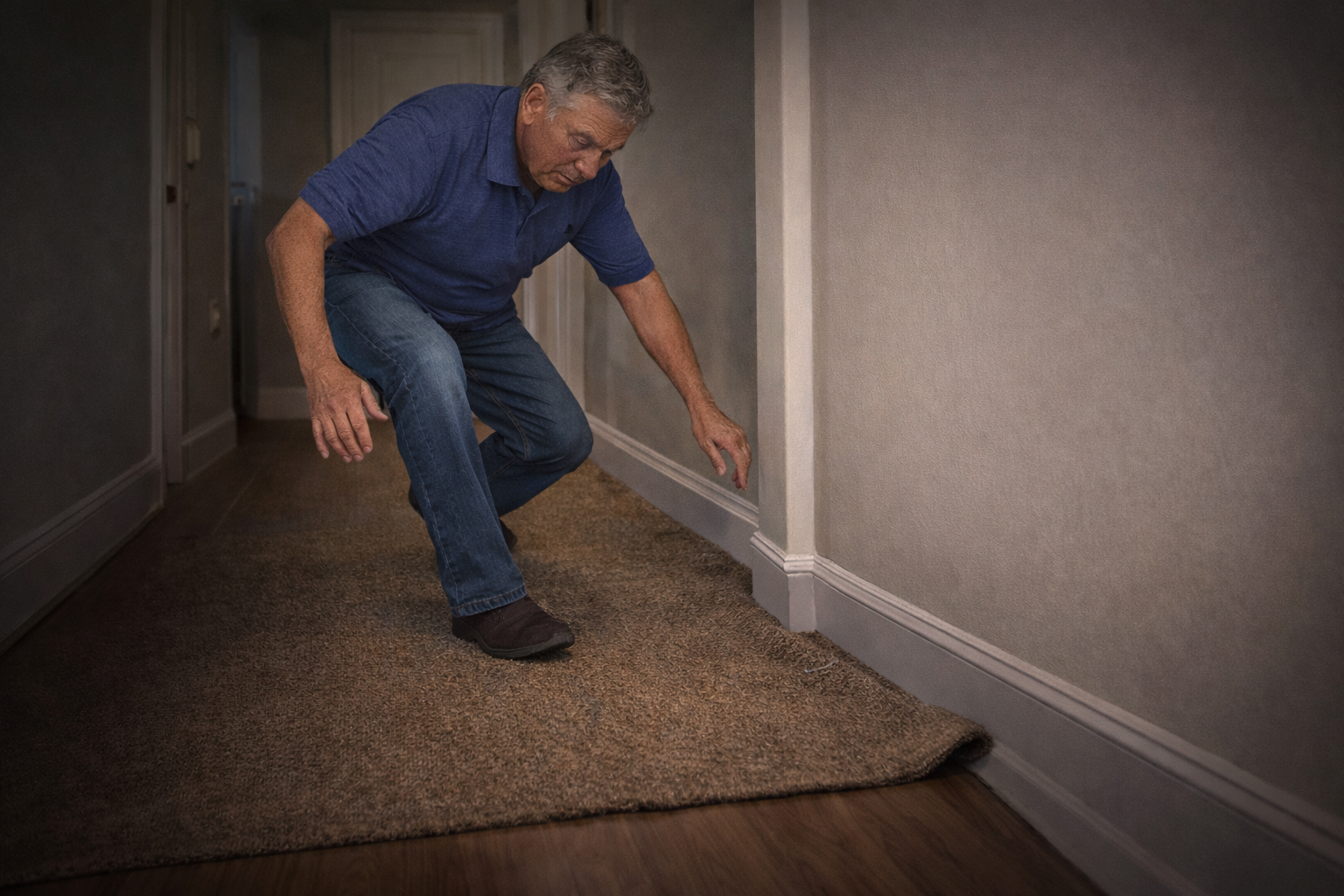
Have you ever noticed that your walk feels a little more wobbly at the end of the day? Maybe your steps get shorter. Maybe you feel like you have to concentrate more. Maybe you even catch your toe on the carpet when you normally wouldn’t. A lot of people chalk this up to “just getting older.” But in many cases, it’s not aging. It’s fatigue. And fatigue changes the way your body and brain work together when you walk.
As someone who has worked with adults 60 and older for decades, I can tell you this: fatigue is one of the most underestimated contributors to falls. Let’s talk about why that happens — and what you can do about it.
Walking Is Not Automatic
We like to think walking is automatic. After all, we’ve been doing it since we were toddlers. But walking is actually a full-body, full-brain activity.
Your muscles generate force.
Your joints move through the right amount of motion.
Your eyes scan the environment.
Your inner ear helps with balance.
Your brain integrates all of it in real time.
The National Institute on Aging reminds us that balance and mobility depend on multiple body systems working together — and when one system becomes less efficient, the others have to work harder. When you’re fatigued, several things change at once.
Muscle Fatigue Changes Your Mechanics
As muscles tire, they don’t generate force as effectively. That means:
Your push-off becomes weaker.
Your step length may shorten.
Your foot clearance decreases.
Your posture starts to collapse.
We often see hip muscles fatigue first, especially in people who already have some weakness. When that happens, the pelvis becomes less stable and the trunk may sway more — something we talked about in more detail in our article about weak hips and how they affect walking, stairs, and back pain. That subtle sway may not feel dramatic, but it increases instability.
Fatigue also affects the smaller muscles in your feet and ankles. If they’re tired, your ability to make quick corrections decreases, and if you combine that with the wrong shoes, your risk of tripping goes up even more — which is why we previously discussed how footwear affects balance. This is one reason falls often happen later in the day.
Fatigue Slows the Brain, Too
It’s not just the muscles.
Cognitive fatigue plays a major role in walking stability. The Centers for Disease Control and Prevention notes that falls are the leading cause of injury among adults 65 and older. What many people don’t realize is that divided attention and slowed processing speed increase fall risk. When you’re tired, your reaction time slows.
If you trip, you may not correct quickly enough.
If the ground changes, you may not adjust your step.
If someone calls your name, you may lose focus more easily.
Walking requires constant micro-adjustments. Fatigue reduces the precision of those adjustments.
In people living with neurological conditions like Parkinson's disease, fatigue can amplify gait changes even more. But even without a neurological diagnosis, healthy adults experience measurable gait variability when fatigued.
Posture Starts to Collapse
When we’re tired, we slouch.
The head drifts forward.
The shoulders round.
The center of gravity shifts.
That forward posture moves your weight slightly ahead of your base of support. It may not feel dramatic, but it subtly changes how forces travel through your body when you step.
Add a little muscle fatigue and a little slower reaction time, and now your margin for error gets smaller.
That’s when missteps happen.
Why This Matters More After 60
As we get older, we naturally lose some muscle mass and power — a process called sarcopenia. The National Institutes of Health has published extensively about age-related muscle loss and its impact on mobility. Here’s the key point: if you already have slightly less reserve strength, fatigue reaches the tipping point faster.
Think of it like your phone battery. If you start the day at 100%, you have plenty of room before things shut down. If you start at 40%, it doesn’t take much to push you into the red zone. Building strength increases your reserve capacity. That means you don’t hit that fatigue threshold as quickly.
Signs Fatigue Is Affecting Your Walking
You may notice:
You shuffle more later in the day.
You feel less steady in dim lighting at night.
You need to hold onto furniture more often in the evening.
You avoid outings because you “just feel tired.”
These are not personality traits. They’re physical signals. And they’re modifiable.
What You Can Do About It
The solution isn’t to stop walking. It’s to build more capacity.
Strength training improves muscle endurance.
Balance training improves reaction speed.
Dual-task training improves cognitive-motor integration.
Postural exercises improve alignment efficiency.
When we train these systems intentionally, we increase resilience. That means you can walk longer without your mechanics breaking down. You can recover faster if you trip. You can feel more confident at the end of the day — not just the beginning.
It’s also important to respect fatigue. Pacing matters. Strategic rest breaks matter. Hydration and sleep matter. Overexertion without recovery increases fall risk.
The Big Takeaway
If walking feels less steady when you’re tired, it’s not “just aging.” It’s a signal. Your body is telling you that your reserve capacity could be stronger. And the good news? We can train that.
The goal isn’t just to walk across the room safely. It’s to walk through your day confidently — morning, afternoon, and evening.
If you’ve noticed your steps changing as the day goes on, that’s worth paying attention to. A comprehensive balance and mobility assessment can identify exactly where fatigue is showing up in your system and help you build the strength and stability to stay independent longer.
Because steady walking isn’t about luck. It’s about capacity.