
How Facing Your Fears Can Help You Stay Active and Independent
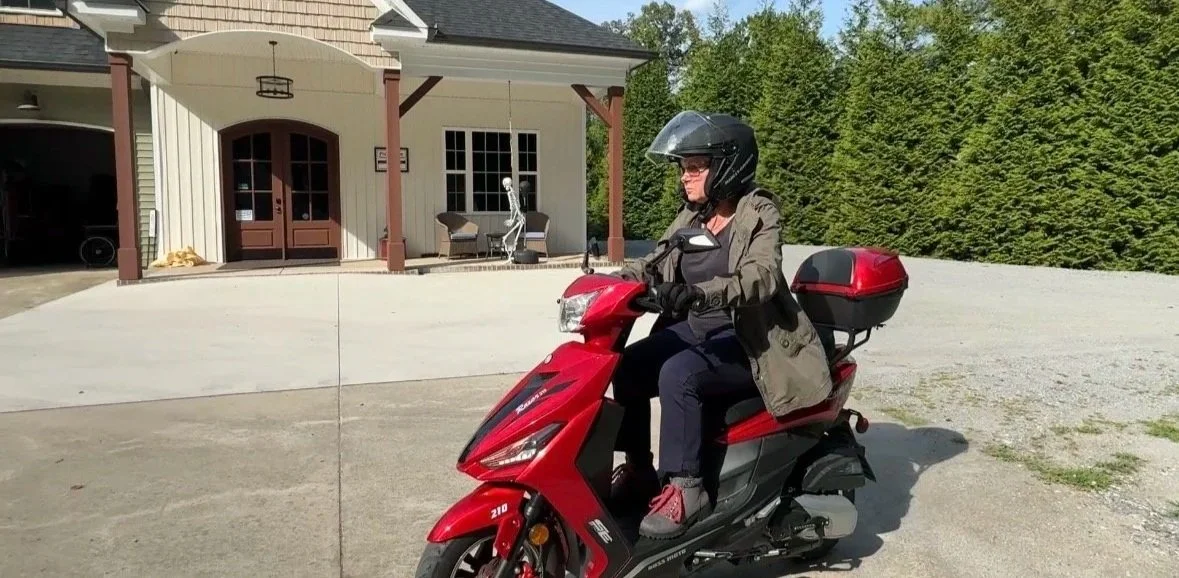
I spend a lot of time talking with my clients about fear. Most often, it's the fear of falling.
Ironically, that fear can actually increase the likelihood of a fall. When we're afraid, we naturally stiffen our muscles, shorten our stride, stop moving our arms, and focus all of our attention on what could go wrong. Instead of moving fluidly, we move cautiously—and that cautious movement often makes us less stable.
Recently, I found myself experiencing that same feeling in a completely different way.
A few weeks ago, I bought a scooter. I've been practicing on a quiet side road while preparing for my motorcycle road test. Although I'm enjoying the experience, I haven't yet felt confident enough to go much faster than about 25 miles per hour. Even at those speeds, I notice my shoulders creeping up toward my ears, my hands gripping the handlebars a little tighter than necessary, and my entire body becoming tense.
It's amazing how quickly fear changes the way we move.
One of the biggest skills I'm learning is how to make turns correctly. My instinct is to look down at the road directly in front of me. But that's exactly the opposite of what experienced riders teach. They tell you to look through the turn—to focus on where you want the scooter to go rather than on the pavement beneath you.
As I practiced, I couldn't help but laugh because it sounded very familiar. How many times have I told my own clients, "Don't look at your feet. Look where you're going."
When people constantly watch the floor while walking, their posture changes. They become more bent over, their balance shifts, and they stop naturally scanning the environment around them. Looking ahead helps the body organize itself for movement.
Apparently, I needed to take my own advice.
Fear Changes More Than Our Thoughts
Fear isn't just an emotion. It creates real physical changes.
When we're afraid, we often:
Tighten our muscles.
Hold our breath.
React more slowly.
Become overly cautious.
Stop trusting our bodies.
Whether you're learning to ride a scooter, recovering from a hip replacement, walking after a fall, or trying a new exercise class, those physical responses can make the task feel even harder.
The interesting thing is that confidence usually doesn't come first. Competence comes first.
Every time we practice a skill successfully, our brain gathers evidence that says, "I can do this."
That's how confidence grows.
Why Stepping Outside Your Comfort Zone Matters
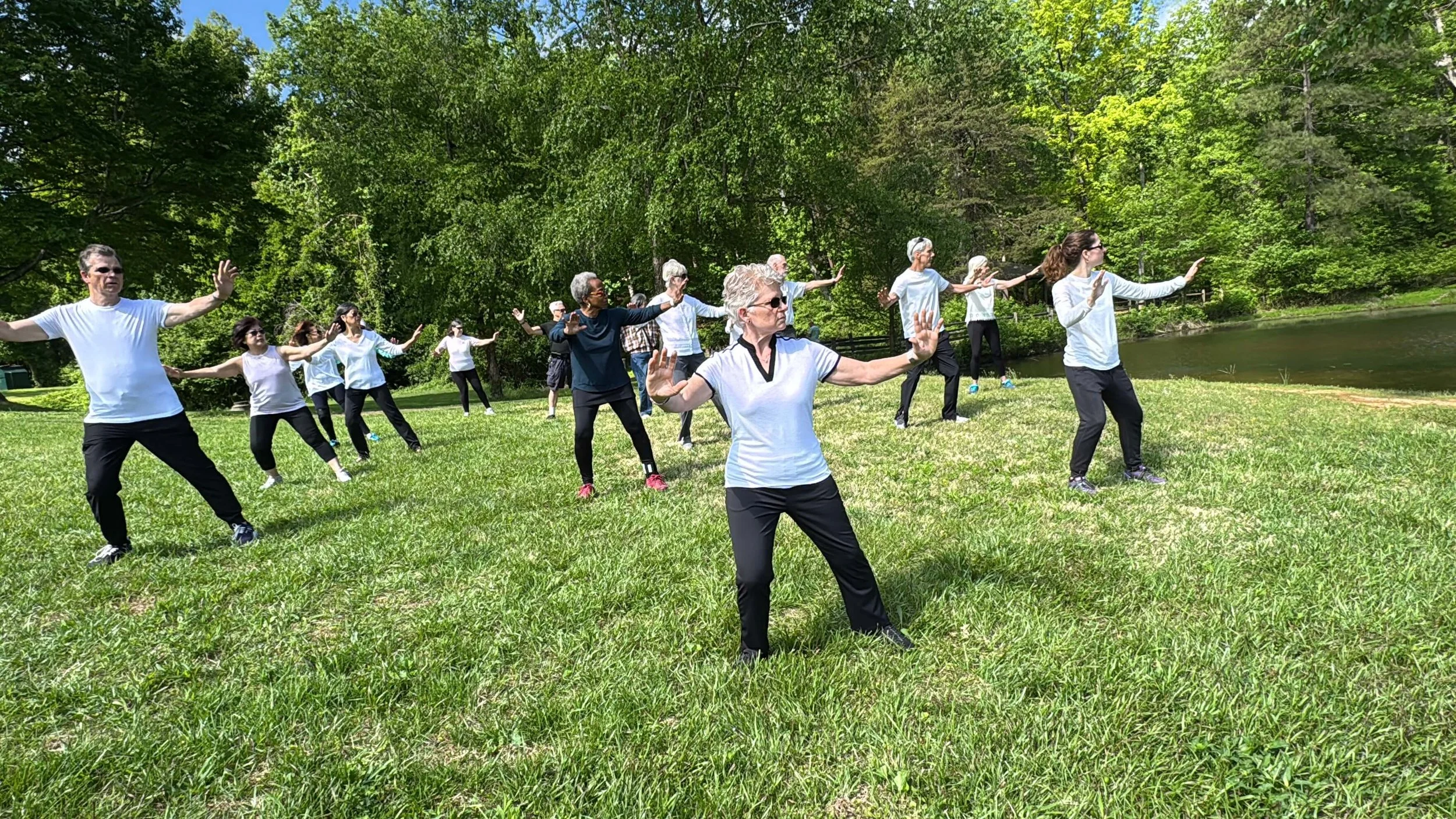

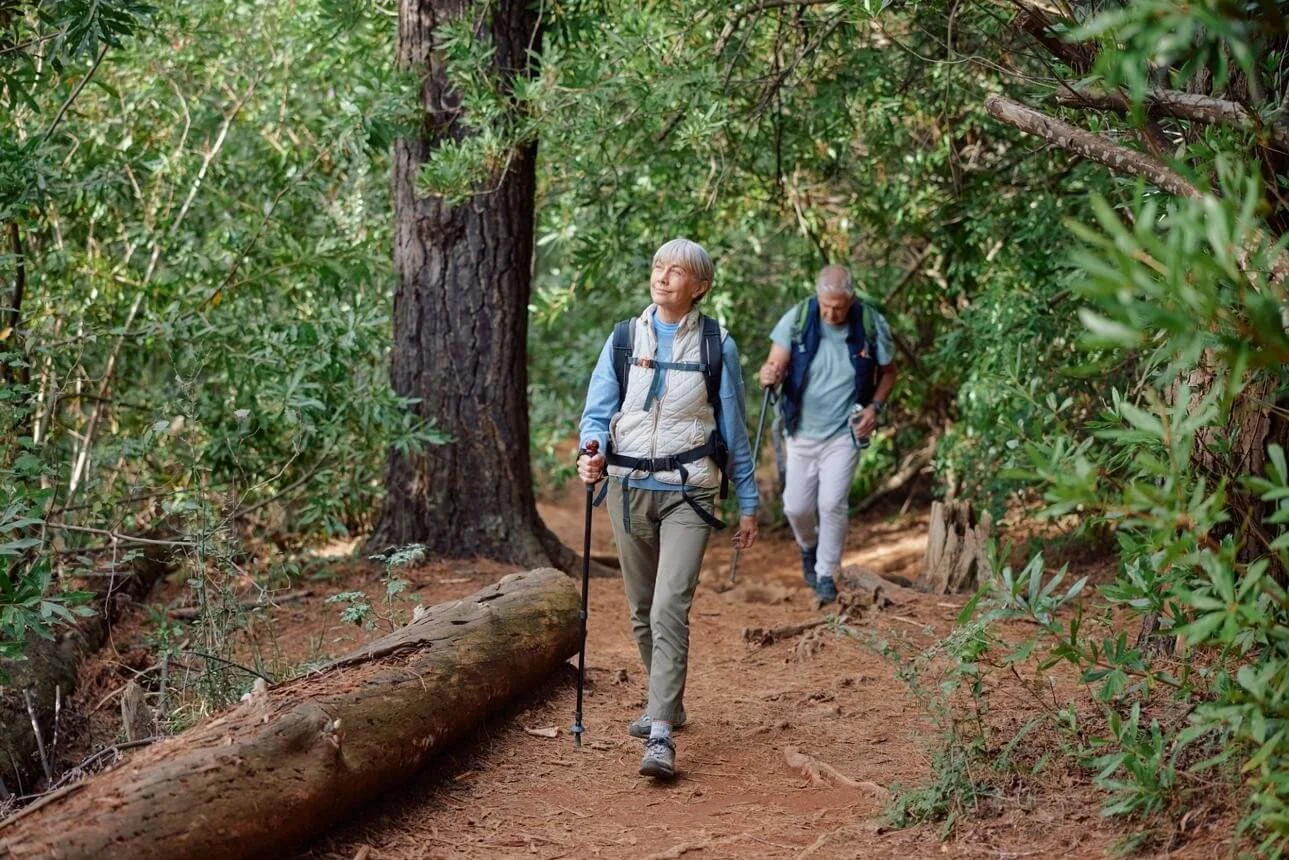
As we get older, it's easy to settle into familiar routines.
We drive the same roads. Order the same meals. Exercise the same way—or sometimes stop exercising altogether.
Routine certainly has its benefits, but our brains thrive on novelty. Learning new skills challenges our coordination, attention, problem-solving, balance, and adaptability. Those are exactly the abilities we want to preserve as we age.
Trying something new doesn't have to mean buying a scooter.
It might mean:
Taking your first Tai Chi class.
Learning a dance routine.
Trying pickleball.
Hiking a new trail.
Learning to kayak.
Practicing getting up from the floor.
Joining a balance class.
Taking up painting, photography, or learning a new language.
Every new experience asks your brain to build new connections. And that's a wonderful thing.
Progress Happens One Small Step at a Time

One lesson I've learned as a therapist is that growth rarely happens all at once. Confidence isn't something we suddenly wake up with. It's earned through repetition.
Each time I ride my scooter, I become a little more relaxed. I notice myself looking farther ahead instead of staring at the pavement. My turns become smoother. The tension eases just a bit.
It's exactly the same process I see with my clients every day.
The person who was once afraid to climb stairs begins using them again.
The person who avoided walking outdoors starts enjoying neighborhood walks.
The person who thought they would never get down on the floor again discovers they can—with the right instruction and practice.
None of those changes happen because the fear magically disappears. They happen because experience gradually becomes stronger than fear.
Where Are You Looking?
Perhaps the biggest lesson my scooter is teaching me has nothing to do with riding. It's reminding me that where we focus our attention often determines where we go.
If we're constantly looking down—at our fears, our limitations, or everything that could go wrong—we're likely to become tense and hesitant. But when we lift our eyes toward where we want to be, our bodies often follow.
That doesn't mean ignoring risk. It means respecting it, preparing for it, and then allowing yourself to move forward anyway.
I still have plenty to learn before I feel completely comfortable on my scooter. But every ride is teaching me the same lesson I hope my clients discover:
Growth begins just outside our comfort zone, and confidence is built one successful step—or one successful ride—at a time.